Is Egypt Safe for Tourists in 2027? Honest Safety Guide
Egypt is safe. That is the most important thing to say at the outset — and it’s a statement that can be made with confidence based on the experience of millions of international visitors who travel to Egypt every year without incident. But “safe” is a complex word, and travelers deserve a nuanced, honest answer rather than either blind reassurance or unnecessary alarm.
This complete 2027 safety guide covers every aspect of travel safety in Egypt: the current security situation, common scams and how to avoid them, solo travel, female traveler safety, health considerations, areas to exercise caution, transport safety, and the practical steps that make any Egypt visit smooth and worry-free.
The Overall Safety Picture in Egypt (2027)
Egypt’s main tourist areas — Cairo and Giza, the Nile corridor from Luxor to Aswan, the Red Sea resorts of Sharm El Sheikh and Hurghada, and the Sinai resort town of Dahab — are all considered safe for international tourists.
The Egyptian government places enormous economic and political importance on tourism. The industry employs millions of Egyptians directly and indirectly and represents a critical source of foreign currency. As a consequence, tourist areas receive heavily disproportionate security resources: dedicated tourist police, plain-clothes security officers at major sites, enhanced surveillance, and rapid response protocols.
Egypt has experienced significant political instability in its recent history — the 2011 revolution that ended Hosni Mubarak’s 30-year presidency, subsequent political turbulence, and terrorism-related incidents in the mid-2010s. However, the security situation in tourist areas has been stable and largely incident-free for several years, and visitor numbers have returned to and in many cases exceeded pre-2011 levels.
Key statistics:
- Egypt received over 14 million international tourists in 2023, up significantly from the post-pandemic years
- The vast majority of visitors experience Egypt without any security incident whatsoever
- The most common problems reported by tourists involve scams, overcharging, and persistent vendors — not physical danger
Is Egypt Safe? Destination by Destination
Cairo and Giza — Safe with Awareness
Cairo is a city of 20+ million people — one of the largest and most densely populated urban areas on Earth. Like any major metropolis, it has areas of higher and lower safety, and petty crime (particularly pickpocketing in crowded areas) does occur.
Safe areas for tourists: Zamalek, Maadi, downtown Cairo near the major hotels, the area around the Pyramids in Giza, Khan El Khalili during daytime hours.
Exercise normal caution: Avoid displaying expensive cameras or jewelry in densely crowded markets. Be aware of your surroundings in very crowded streets. Use official taxis or ride-hailing apps rather than accepting rides from strangers.
Overall assessment: Cairo is safe for tourists who exercise standard big-city awareness. The major tourist attractions are heavily policed and secure.
Luxor and Aswan — Among Egypt’s Safest Cities
The Nile Valley cities of Luxor and Aswan are, in many ways, safer and easier for tourists than Cairo. They are smaller, less congested, more oriented toward tourism, and have strong tourist police presences at all major sites.
Luxor in particular has invested heavily in tourist infrastructure and safety, and the West Bank — site of the Valley of the Kings and Hatshepsut Temple — is a carefully controlled environment with limited vehicle access and constant security presence.
Overall assessment: Very safe. These are among the easiest cities in Egypt for independent tourist travel.
Red Sea Resorts (Sharm El Sheikh, Hurghada, Dahab) — Very Safe
The Red Sea resort towns are among the safest tourist destinations in Egypt, largely because they are purpose-built tourism environments with strict access controls and security standards required by international hotel chains and tour operators.
Sharm El Sheikh and Hurghada both have international airports receiving direct charter flights from Europe and Russia, and their entire economy is built around welcoming foreign visitors. Security standards reflect this.
Dahab: A smaller, more laid-back beach town on the Gulf of Aqaba, popular with backpackers and divers. Generally very safe, with a relaxed and welcoming atmosphere.
Aviation note: There was a tragic aviation security incident at Sharm El Sheikh airport in 2015 (the Metrojet bombing). Since then, Egyptian aviation security has been comprehensively overhauled, and several international airlines have resumed direct flights after independent security audits found standards to be satisfactory.
Overall assessment: Very safe. One of the easiest parts of Egypt for first-time visitors.
North Sinai — Avoid
The northern part of the Sinai Peninsula, away from the resort areas, has been the site of active military operations against an ISIS affiliate (Wilayat Sinai). Multiple governments including the UK, US, and Australia advise against all travel to North Sinai.
This does not affect:
- Sharm El Sheikh and South Sinai resort areas (safe)
- Dahab (safe)
- St. Catherine’s Monastery area (check current government advice)
Overall assessment: North Sinai — avoid. South Sinai resort towns — safe.
Desert and Border Regions — Caution Required
Areas close to the Libyan border (Western Desert far west) and the Sudanese border should be avoided without the guidance of experienced local operators. The main Western Desert oases (Siwa, Bahariya, Farafra, White Desert) are safe with reputable local guides.
The Real Risks: What Tourists Actually Encounter
Scams and Touts — The Primary Concern
The most common negative experiences reported by tourists in Egypt involve scams and persistent solicitation rather than physical safety. Understanding these in advance dramatically reduces their impact:
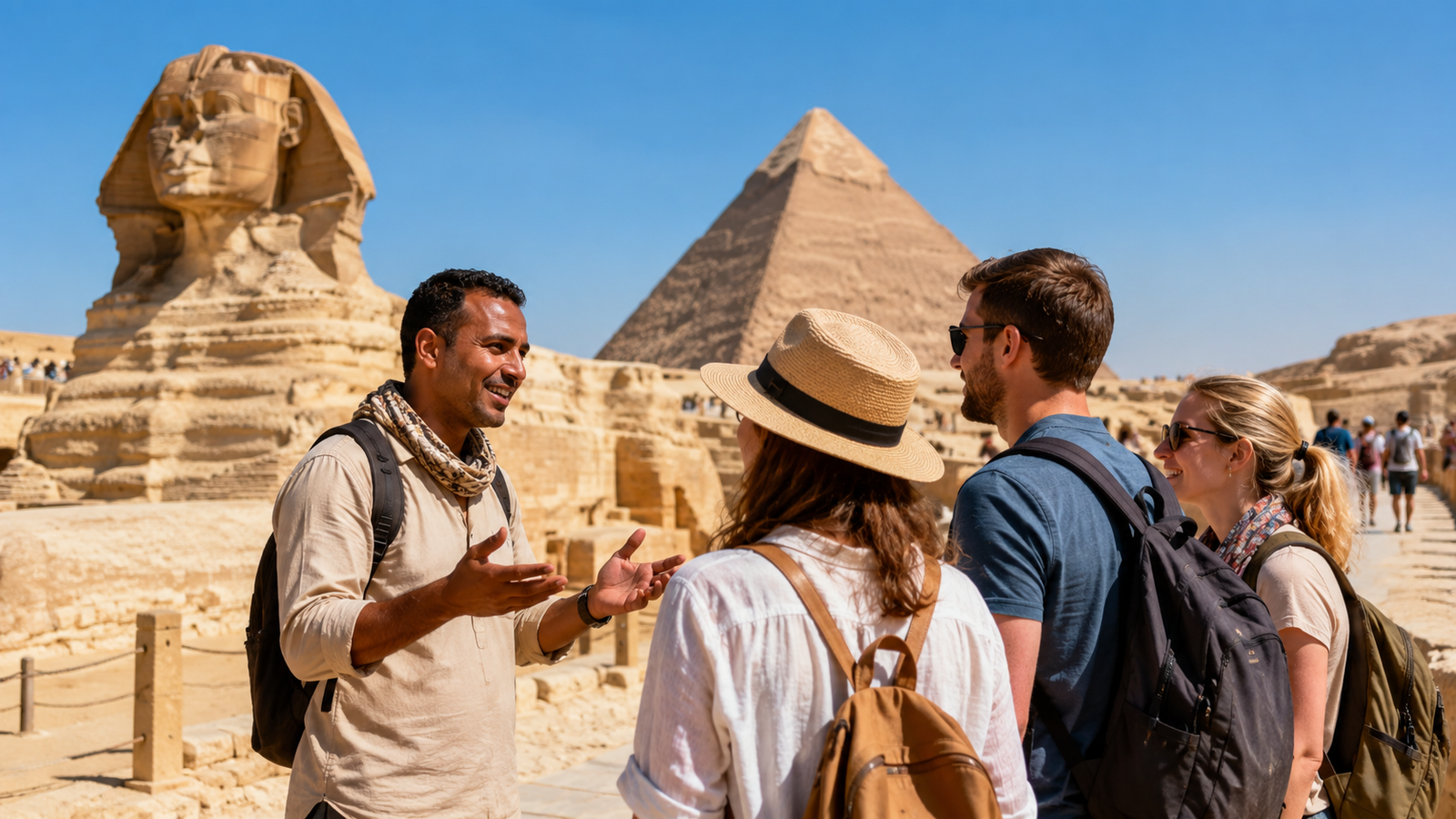
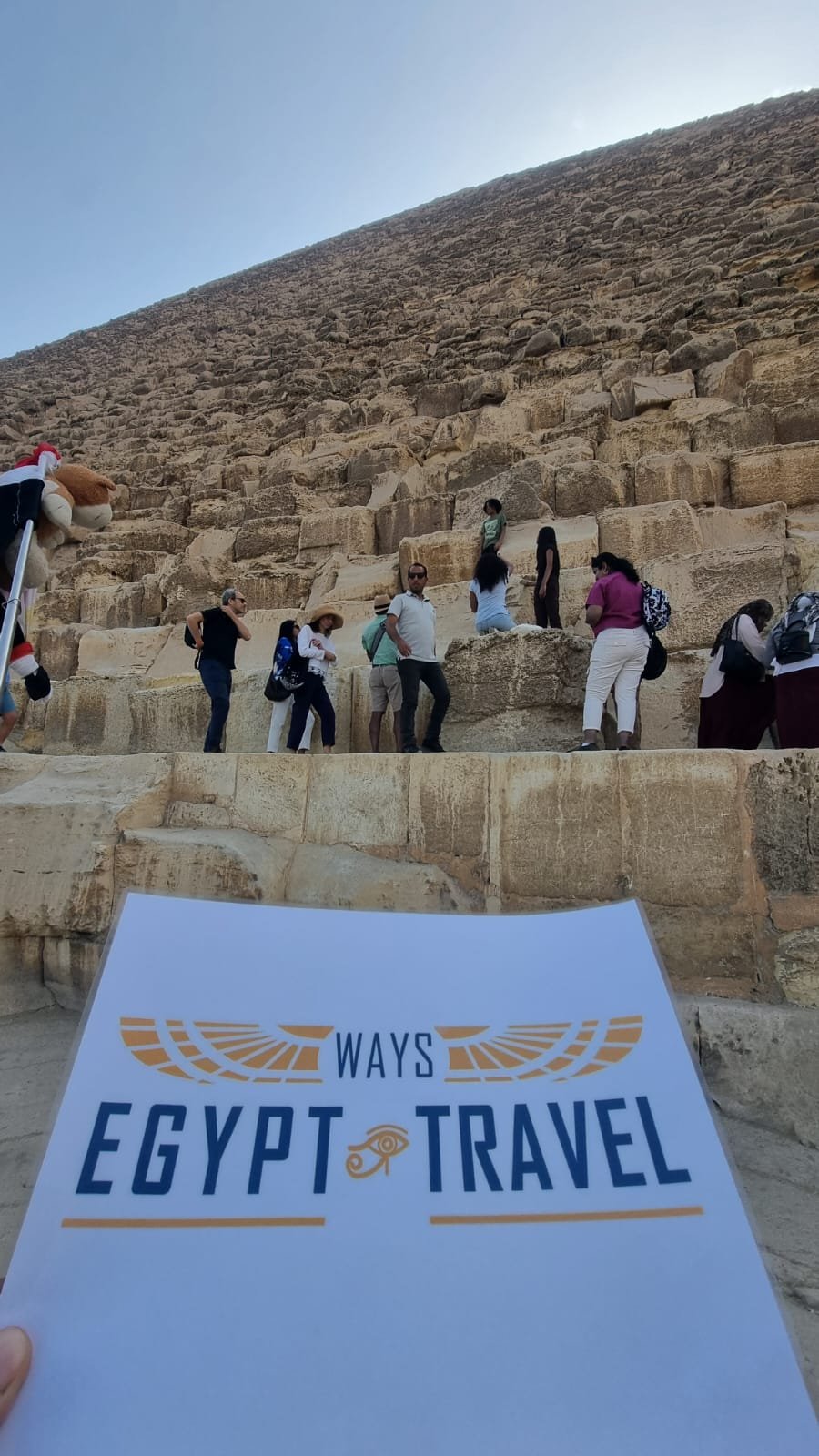
At the Pyramids: Unofficial “guides” who approach you at the entrance, “free” photo offers that come with payment demands, inflated camel ride prices, and the “closed entrance” scam that directs you toward a vendor.
In Cairo: Friendly locals who offer to show you around and lead you to shops for commission, currency confusion scams, taxi overcharging.
In markets: Starting prices 3–5 times the actual value, fake antique claims, pressure selling.
The solution: Book through reputable operators like Egypt Travel Ways for major sites. Use official ticket offices. Agree on prices before accepting any service. Say “no thank you” firmly and keep walking.
Petty Theft
Pickpocketing can occur in crowded areas — Cairo’s Khan El Khalili market, busy metro stations, and areas around major tourist sites. Keep valuables in a front pocket or money belt. Don’t leave bags unattended.
Overall petty theft levels in tourist areas are comparable to or lower than equivalent tourist areas in Western Europe.
Traffic and Road Safety
Egyptian traffic can appear chaotic by Western standards, and road accident statistics in Egypt are significantly higher than in Europe or North America. When using transport:
- Always wear seatbelts in vehicles (where available)
- Use reputable, licensed transport
- Exercise extreme caution when crossing streets on foot — traffic lights are not always observed
- Avoid night driving on desert roads
Solo Travel Safety
Solo travel in Egypt is very much achievable and widely practiced. Solo male travelers typically encounter few issues beyond vendor persistence and minor scams.
Practical tips for all solo travelers:
- Stay in well-reviewed accommodation in tourist areas
- Use Uber or another currently available ride-hailing service for transport — fixed prices, tracked journeys
- Share your itinerary with someone at home
- Keep digital copies of passport, visa, and insurance documents
- Join guided day tours for major sites — easier logistics and professional support
- Register your travel with your country’s foreign ministry travel advisory service
Safety for Female Travelers
Female travelers — both solo and in groups — visit Egypt successfully every year. However, it is honest to acknowledge that women may experience verbal harassment in certain urban environments, particularly in less touristy parts of Cairo.
What to expect: Street harassment in Egypt typically takes the form of verbal comments, staring, or persistent approaches. It is culturally different from countries with stronger street harassment laws and norms, and can be disconcerting for visitors unaccustomed to it.
Practical strategies:
Dress appropriately for context: At Red Sea resorts, Western standards apply. In cities, markets, and at ancient sites, covering shoulders and knees is both culturally respectful and significantly reduces unwanted attention.
Use ride-hailing apps: Uber and other currently available ride-hailing services are safer than street taxis — journeys are tracked, drivers are registered, and you can share your trip with a contact.
Consider daytime-only independent exploration: Exploring Cairo and Luxor markets independently during daytime hours is generally safe. Evening exploration, particularly in unfamiliar neighborhoods, is more comfortable with a companion.
Book guided experiences: A licensed guide from a reputable operator provides a professional buffer and makes navigating potentially uncomfortable situations much easier.
Trust your instincts: If a situation or location feels uncomfortable, leave. Egypt’s tourist areas offer enough alternatives that you’re never far from a safer, more comfortable environment.
Overall assessment for female travelers: Egypt is more challenging for solo female travelers than some other destinations, but it is absolutely manageable with preparation and the right approach. Thousands of women travel solo in Egypt every year with positive experiences.
Health and Medical Safety
Water Safety
Do not drink tap water in Egypt. Bottled water is cheap, widely available, and essential. Use it for drinking, making tea, and brushing teeth.
Food Safety
Egyptian cuisine is wonderful, but exercise some caution, particularly in summer:
- Stick to cooked food from reputable restaurants
- Peel your own fruit
- Avoid salads with raw leafy vegetables in lower-end establishments
- Be cautious with street food in hot weather — keep moving and choose busy vendors with high turnover
Traveler’s diarrhea is the most common health issue for visitors to Egypt. Bring Imodium or equivalent as a precaution.
Vaccinations
No specific vaccinations are required for entry to Egypt. Standard recommended vaccines include Hepatitis A, Hepatitis B, and Typhoid. Malaria is not present in most tourist areas.
Heat and Sun
Egypt’s sun is intense and genuinely dangerous for unprotected skin and eyes. Heatstroke is a real risk for visitors unaccustomed to extreme heat, particularly at outdoor sites in summer:
- Apply SPF 50+ sunscreen before outdoor activities
- Wear a hat and sunglasses
- Drink at least 2 liters of water per day outdoors
- Avoid outdoor activities between 11:00 AM and 3:00 PM in summer
Medical Facilities
Cairo has good private hospitals with internationally trained staff. Major resort areas have clinics and hospitals accustomed to treating foreign tourists. Rural areas and smaller sites have limited medical infrastructure.
Travel insurance with medical evacuation coverage is strongly recommended for all travelers to Egypt.
Practical Safety Tips: Summary
Use official transport: Uber and other currently available ride-hailing services in cities, licensed taxis arranged by hotels, and official bus services. Avoid accepting rides from unlicensed operators.
Book through reputable operators: Using Egypt Travel Ways or similar reputable operators for major site visits eliminates most scam risks and provides professional support.
Stay in well-reviewed accommodation: Read recent reviews before booking. Stick to areas familiar to tourists in each city.
Keep emergency contacts: Your country’s embassy, your travel insurance emergency line, and your tour operator’s contact details should be saved on your phone.
Respect local customs: Egypt is a predominantly Muslim country with conservative social norms outside resort areas. Respecting local customs reduces friction and generally makes your visit more enjoyable.
Don’t flaunt wealth: Expensive cameras, jewelry, and phones attract attention. Be discreet with valuables, particularly in crowded areas.
15 People Also Ask Questions About Safety in Egypt
1. Is Egypt safe for tourists right now in 2027?
Yes, Egypt’s main tourist areas are safe in 2027. Cairo, Luxor, Aswan, the Red Sea resorts, and the Nile corridor are all considered safe for international tourists. The Egyptian government places strong emphasis on tourist security, and major sites have dedicated tourist police. The primary concerns for visitors are scams and vendor persistence rather than physical safety.
2. Is Egypt safe for American tourists?
Yes. American tourists visit Egypt in large numbers every year without incident. The US State Department maintains updated travel advisories for Egypt — generally advising normal precautions for tourist areas and cautioning against travel to North Sinai. Check the latest advisory at travel.state.gov before your trip.
3. Is Egypt safe for solo female travelers?
Egypt is manageable for solo female travelers, though it requires more preparation than some destinations. Women may experience verbal harassment in certain urban areas. Practical strategies that significantly improve the experience include dressing modestly in non-resort areas, using ride-hailing apps, joining guided tours for major sites, and exploring cities during daylight hours.
4. What are the main risks for tourists in Egypt?
The main risks in roughly descending order of likelihood are: tourist scams and overcharging, petty theft in crowded areas, traffic accidents, food or water-related illness, and heat-related illness at outdoor sites in summer. Physical violence or serious crime targeting tourists is rare.
5. Is it safe to travel to Egypt after the political instability?
Egypt has been politically and security-wise stable for several years. The major tourist areas have been safe and welcoming to international visitors throughout recent years, and visitor numbers have returned to strong levels. While political situations can change, the current environment is stable and welcoming for tourists.
6. Is Sharm El Sheikh safe in 2027?
Yes, Sharm El Sheikh is safe for tourists in 2027. The resort town has comprehensive security infrastructure and is a major international tourism destination. The aviation security incident of 2015 prompted a comprehensive overhaul of airport security standards that has been independently verified by international authorities.
7. Are the Pyramids of Giza safe to visit?
Yes, the Giza Pyramid Complex is very safe for tourists with heavy security and tourist police presence throughout. The main issues are vendor and tout persistence rather than any physical safety concern. Using a guided tour or arriving early and ignoring unsolicited approaches makes the visit straightforward and enjoyable.
8. Is Luxor safe to visit?
Yes, Luxor is one of the easiest and safest cities for tourist travel in Egypt. The ancient sites have strong security, the tourist infrastructure is excellent, and the city is well-accustomed to international visitors. The last major security incident in Luxor affecting tourists occurred in 1997 — the security environment has been completely transformed since then.
9. Should I be worried about terrorism in Egypt?
Egypt has experienced terrorism in its history, but the risk in tourist areas is low. Major tourist sites are heavily secured, and there have been no significant terrorist incidents affecting international tourists in main tourist areas for many years. The primary active security concern is in North Sinai, which tourists do not visit.
10. Is Cairo safe at night?
Tourist and well-lit commercial areas of Cairo are generally safe at night. Major hotels and restaurants in tourist districts operate normally after dark. Exercise more caution in unfamiliar neighborhoods after dark. Use Uber or another currently available ride-hailing service for transport. Avoid wandering alone in very quiet streets at night.
11. Is the Nile cruise safe?
Yes, Nile cruises are very safe. The route between Luxor and Aswan is heavily traveled and monitored, ship operators are regulated, and all temple sites have security presence. Cruise ships have emergency procedures and safety equipment. The Nile cruise experience has an excellent overall safety record.
12. What vaccinations do I need for Egypt?
No vaccinations are required for entry to Egypt. Standard travel medicine recommendations include ensuring routine vaccinations are up to date, and considering Hepatitis A and Typhoid vaccines. Consult a travel medicine clinic or your doctor at least 4–6 weeks before travel for personalized advice.
13. Is the tap water safe to drink in Egypt?
No. Do not drink tap water in Egypt. Bottled water is inexpensive, widely available, and should be used for drinking, making hot drinks, and brushing teeth. Ice in tourist restaurants is usually made from treated water, but exercise caution in lower-end establishments.
14. Is Egypt safe for LGBTQ+ travelers?
Egypt does not legally recognize same-sex relationships, and public expressions of same-sex affection can attract negative attention or legal difficulty. LGBTQ+ travelers can visit Egypt safely but should exercise discretion in public. Western-style resorts and tourist areas are more tolerant than conservative areas of Cairo or rural Egypt.
15. What should I do in an emergency in Egypt?
Keep these contacts saved: Tourist Police: 126 (Egypt-wide tourist police hotline). Ambulance: 123. Your country’s embassy: Find the number before traveling. Your travel insurance emergency line: Available 24/7 for medical or security emergencies. Your tour operator: Egypt Travel Ways provides 24/7 support for all clients traveling with us.
Travel Confidently with Egypt Travel Ways
Knowledge is the best preparation for safe travel. Egypt Travel Ways organizes guided tours with licensed local guides, vetted transport, and 24/7 support — giving you the framework to explore Egypt’s extraordinary history and culture with confidence and peace of mind.
Contact us today to plan your safe, extraordinary Egypt adventure.