Fayoum Oasis Day Trip from Cairo 2027 – Wadi El Rayan & What to See
An hour and a half south of Cairo lies one of Egypt’s most underrated day trip destinations — the Fayoum Oasis, a fertile depression in the desert fed by ancient Nile canals and containing an extraordinary variety of landscapes within a compact area: waterfalls in the desert, flamingo-dotted salt lakes, ancient ruins, whale fossils, sand dunes, and one of Egypt’s oldest continuously inhabited cities.
Fayoum makes for one of Cairo’s most rewarding and varied day trips — a genuine change of scenery that combines natural wonder, ancient history, and birdwatching in a single manageable excursion.
For Cairo planning context, see our Egypt 10-Day Itinerary and Egypt Travel Budget 2027. For comparison with the Saqqara day trip option, see our Saqqara & Memphis Day Trip Guide.
What Is the Fayoum Oasis?
The Fayoum is not technically a desert oasis — it’s a natural depression lying 45 meters below sea level that receives water through a canal system connected to the Nile, established over 4,000 years ago during the Middle Kingdom pharaonic period. This artificial irrigation transformed the depression into fertile agricultural land capable of supporting a significant population.
At the center of the Fayoum Depression lies Lake Qarun (ancient Lake Moeris) — a large salt lake that was once connected to the Nile and was one of Egypt’s most important ancient fishing grounds. Today it’s a protected nature reserve and one of Egypt’s most important bird migration staging points.
The Fayoum covers approximately 6,000 km² and has a population of over 3 million people — it’s Egypt’s only governorate that is itself an oasis.
Key Sites for a Day Trip
Wadi El Rayan — Waterfalls and Lakes
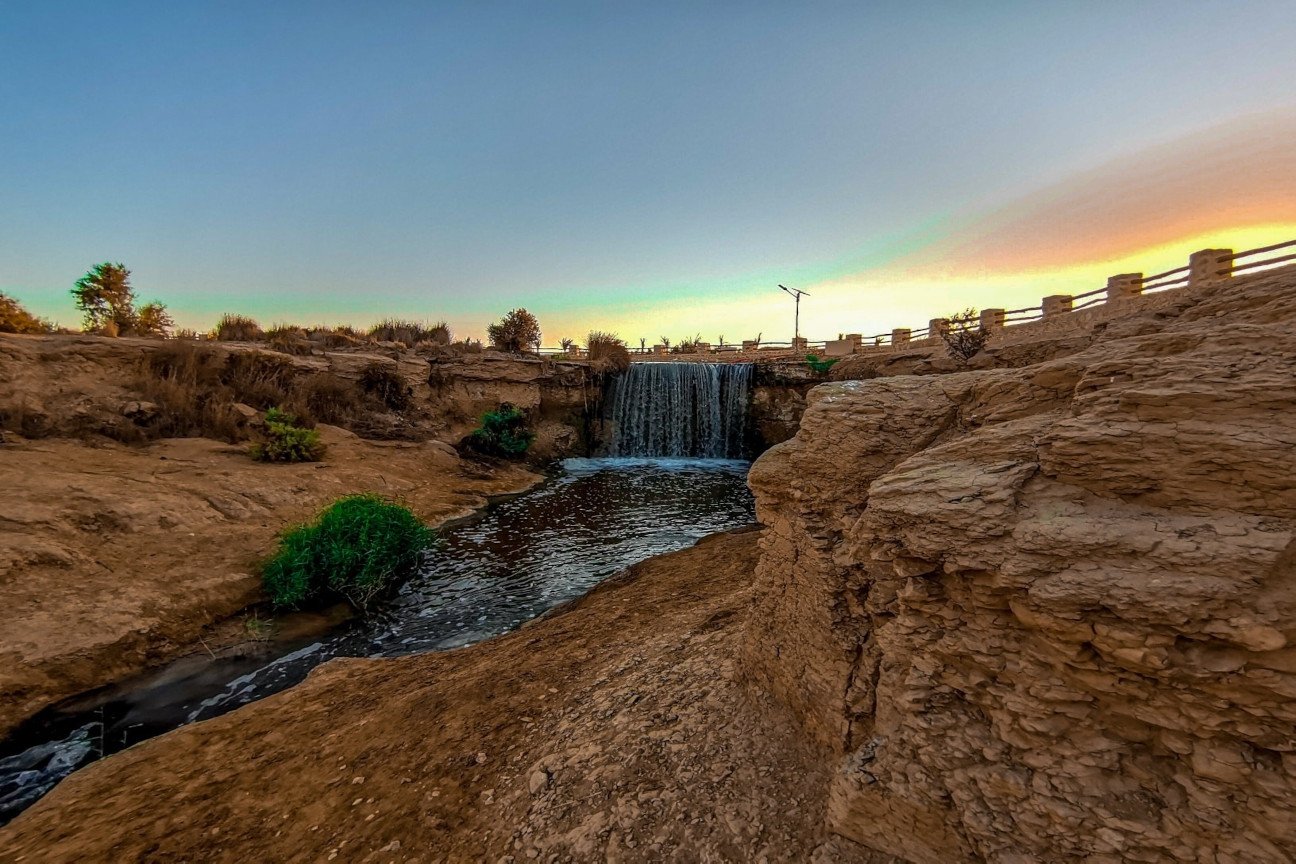
Wadi El Rayan is the highlight of most Fayoum day trips — a protected natural area containing two large connected lakes and, most remarkably, Egypt’s only natural waterfall. The waterfall isn’t enormous by international standards, but seeing a waterfall in the middle of the Egyptian desert is genuinely surprising and beautiful.
The waterfalls: The water cascades from the upper lake to the lower lake, surrounded by desert landscape. The sound of rushing water against complete silence is extraordinary in context. Flamingos and other waterbirds are frequently present.
The lakes: Created in the 1970s when agricultural drainage from the Fayoum began filling natural desert depressions, the Wadi El Rayan lakes now host an extraordinary diversity of waterbirds — flamingos, herons, ducks, cormorants, osprey, and others, particularly during migration season.
Sand dunes: The northern shore of the lower lake is bordered by dramatic sand dunes rising from the water’s edge — a visually striking combination of desert and lake.
Dune activities: Sand-boarding on the dunes and quad biking are popular with Egyptian visitors, particularly on weekends.
Admission: Wadi El Rayan is inside a protected reserve — entrance fee approximately 10–20 EGP per person plus vehicle fees.
Wadi El Hitan — The Valley of the Whales (UNESCO World Heritage)
Wadi El Hitan (Whale Valley) is a UNESCO World Heritage Site containing one of the most extraordinary fossil records anywhere on Earth — the remains of ancient whales from 40 million years ago, when this desert was the bed of the ancient Tethys Sea.
The fossils include complete skeletons of Basilosaurus and Dorudon — ancient whale species that still had vestigial rear legs (evidence of their terrestrial mammal ancestors), representing a critical transitional moment in whale evolution. Over 400 fossil skeletons have been found, many still in situ and visible to visitors.
A small but well-designed museum at the site provides context on the fossil record, the ancient sea, and the evolution of whales. Walking trails take you among the fossils, many protected by simple shelters.
Wadi El Hitan is one of Egypt’s most extraordinary and least-visited scientific sites — a place where you can walk among 40-million-year-old whale skeletons in the middle of the Sahara Desert.
Distance: Approximately 30 km from Wadi El Rayan — most day trips combine both.
UNESCO documentation: Wadi El Hitan UNESCO World Heritage provides comprehensive information.
Lake Qarun — Birdwatching and Ancient History
Lake Qarun is a large, shallow salt lake at the heart of the Fayoum — one of Egypt’s most important birdwatching destinations, particularly for migratory waterbirds on the Egyptian flyway. Species regularly recorded include flamingo, white pelican, osprey, marsh harrier, various herons and egrets, and dozens of duck and wader species.
The lake also has ancient significance — it was one of ancient Egypt’s most important fishing grounds and appears in Middle Kingdom records and Greco-Roman documents.
The ancient city of Karanis sits at the northeastern edge of the lake — a Greco-Roman period city occupied from approximately 200 BCE to 400 CE, with excavated houses, temples, and remarkable amounts of papyrus documents found during excavation (now held at the University of Michigan and other international collections).
Qasr Qarun — The Ptolemaic Temple
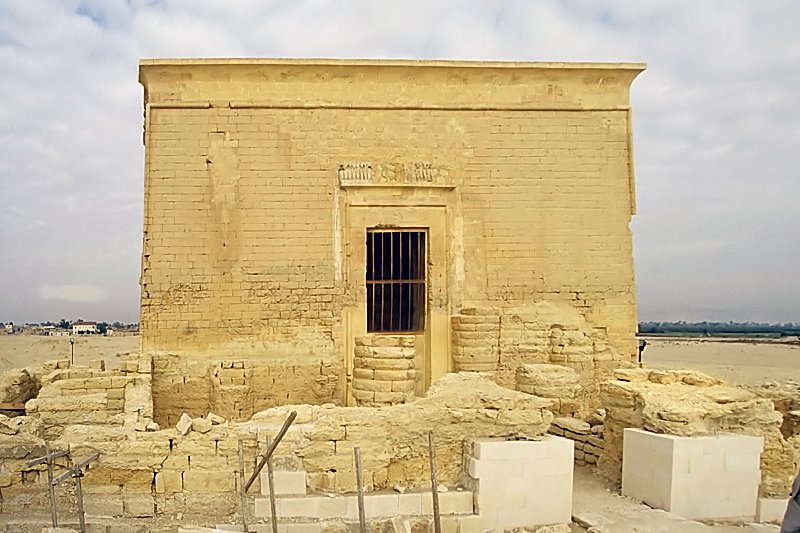
At the western end of Lake Qarun, Qasr Qarun is a well-preserved Ptolemaic period temple — one of the few complete ancient temples outside the Nile Valley. Built around 200 BCE, it has multiple stories with stairways, chambers, and a rooftop offering panoramic desert views.
The temple is remarkably intact and remarkably unvisited — at Qasr Qarun, you’re very unlikely to encounter any other tourists.
Logistics: Getting to Fayoum from Cairo
Distance from Cairo: 100 km via the Desert Road
Journey time: 1.5–2 hours by private car or taxi
Best transport options:
Private car/driver: The most practical option for a day trip. Negotiate a full-day rate (including driver waiting time) of approximately EGP 800–1,500 ($25–45 USD) from Cairo.
Guided day tour: Egypt Travel Ways organizes Fayoum day trips with private transport and guide — contact us to book.
Public transport (budget option): Service taxi from Cairo’s Moneib station to Fayoum city (2 hours, approximately EGP 15), then local transport to specific sites. Challenging for Wadi El Rayan and Wadi El Hitan which require private transport.
Recommended sequence:
- Depart Cairo early (7:00–8:00 AM)
- Wadi El Hitan (whale fossils): 2 hours
- Wadi El Rayan (waterfalls): 2 hours
- Lake Qarun shoreline + lunch at lakeside restaurant: 1.5 hours
- Qasr Qarun temple: 45 minutes
- Return to Cairo (arrive 6:00–7:00 PM)
Best Time to Visit Fayoum
Birdwatching: The peak migration periods (March–April, October–November) bring the greatest bird diversity to Lake Qarun.
Avoid Egyptian public holidays and long weekends — Wadi El Rayan and the waterfalls become extremely crowded with Egyptian day-trippers, changing the character of the experience entirely.
Practical Tips
Start early. The day trip covers significant ground — leaving Cairo by 7:00–8:00 AM is essential.
Bring food and water. Options at Wadi El Hitan and Wadi El Rayan are very limited. Pack a proper picnic.
4WD recommended for Wadi El Hitan. The road to Wadi El Hitan from Wadi El Rayan is sand track — a basic 4WD handles it, but a standard car may struggle.
Go on weekdays. Egyptian weekends (Thursday evening through Friday) transform Wadi El Rayan into a very busy domestic picnic destination. The weekday atmosphere is completely different.
Binoculars for Lake Qarun. The birdwatching at Lake Qarun is excellent even without binoculars, but having them transforms the experience.
External Resources
- Wadi El Hitan UNESCO World Heritage — Official World Heritage documentation
- Egyptian Environmental Affairs Agency — Wadi El Rayan — Protected area management
- BirdLife International — Egypt — Birdwatching information and species lists for Fayoum
15 People Also Ask About Fayoum Day Trip from Cairo
1. Is Fayoum worth visiting from Cairo?
Yes — Fayoum offers one of Cairo’s most varied and rewarding day trips. The combination of Wadi El Rayan’s desert waterfalls, Wadi El Hitan’s extraordinary 40-million-year-old whale fossils (UNESCO World Heritage), Lake Qarun’s birdwatching, and the Ptolemaic temple at Qasr Qarun creates a day of genuine discovery in a completely different landscape from Cairo.
2. What is Wadi El Hitan?
Wadi El Hitan (Valley of the Whales) is a UNESCO World Heritage Site in the Fayoum Desert containing the world’s largest concentration of ancient whale fossils — over 400 skeletons from 40 million years ago, when this desert was the bed of the Tethys Sea. The fossils include complete skeletons of Basilosaurus whales that still had vestigial rear legs, representing a key transitional moment in whale evolution.
3. How far is Fayoum from Cairo?
Fayoum is approximately 100 km from Cairo via the Desert Road — a journey of 1.5–2 hours by private car.
4. Is there a waterfall in Egypt?
Yes — Egypt’s only natural waterfall is in Wadi El Rayan in the Fayoum Depression. The water cascades from the upper lake to the lower lake in a desert landscape, surrounded by flamingos and waterbirds. It’s a genuinely surprising sight in the Egyptian desert.
5. What is the best day trip from Cairo?
The best day trips from Cairo are: the Giza Pyramids (indispensable), Saqqara and Memphis (the step pyramid and ancient capital), Fayoum (waterfalls, whale fossils, birdwatching), and Alexandria (Mediterranean coast, 2.5 hours). Fayoum is the best choice for those who have already seen the Pyramids and want something completely different.
6. How do I get to Fayoum from Cairo?
The most practical option is a private car or taxi — negotiate a full-day rate including waiting time. Guided day trips from Cairo are also available through Egypt Travel Ways. Public transport (service taxi to Fayoum city, then local transport) is possible but complex for the remote sites of Wadi El Rayan and Wadi El Hitan.
7. When is the best time to visit Fayoum?
October through April is ideal — comfortable temperatures and the best birdwatching. March–April is particularly beautiful with spring migration, wildflowers, and lush greenery. Avoid Egyptian public holidays and long weekends when Wadi El Rayan becomes very crowded.
8. Is Lake Qarun good for birdwatching?
Yes — Lake Qarun is one of Egypt’s most important birdwatching sites, particularly during spring and autumn migration. Regular species include flamingo, white pelican, osprey, marsh harrier, herons, egrets, ducks, and waders. The International Birdwatching Centre is located on the lake’s northern shore.
9. Can I visit Wadi El Hitan without a guide?
Yes — Wadi El Hitan has marked walking trails and a visitor center with informative displays. Independent visits are possible. However, a knowledgeable guide significantly enriches the understanding of what you’re seeing — particularly the evolutionary significance of the whale fossils and the ancient Tethys Sea context.
10. What should I bring on a Fayoum day trip?
Bring: packed lunch and plenty of water (food options very limited at Wadi El Hitan and Wadi El Rayan), sun protection (hat, sunscreen SPF 50+), comfortable walking shoes, binoculars for Lake Qarun birdwatching, camera, and a warm layer for winter visits when desert temperatures drop sharply after noon.
11. Is Fayoum suitable for children?
Yes — children find Wadi El Rayan’s waterfall genuinely exciting, the whale fossil skeletons at Wadi El Hitan fascinating, and the sand dunes fun for sliding. The day involves significant outdoor walking in desert conditions; plan appropriate sun protection and water for children.
12. Can I combine Fayoum with the Pyramids?
Not comfortably in a single day — both destinations require several hours of exploration. Fayoum is best as a dedicated day trip. If you want both, allocate separate days: Day 1 Pyramids and GEM, Day 2 Fayoum.
13. What are the entrance fees at Fayoum sites?
Wadi El Rayan protected area: approximately 10–20 EGP per person plus vehicle fee. Wadi El Hitan: small entrance fee for the fossil park. Qasr Qarun temple: small admission fee. All very affordable by Egyptian standards.
14. Is 4WD necessary to visit Fayoum sites?
A 4WD vehicle is strongly recommended for the track between Wadi El Rayan and Wadi El Hitan, which involves sandy desert terrain. Standard cars can manage on the paved roads to Lake Qarun and Qasr Qarun.
15. What is the Karanis ancient city in Fayoum?
Karanis is an excavated Greco-Roman period city at the northeastern edge of Lake Qarun, occupied from approximately 200 BCE to 400 CE. The excavations revealed extensive papyrus documents now held at international universities, as well as two temples, houses, and evidence of everyday life in Greco-Roman Egypt. A small on-site museum displays finds from the excavation.
Book Your Fayoum Day Trip with Egypt Travel Ways
Egypt Travel Ways organizes private Fayoum day trips from Cairo — combining Wadi El Hitan (whale fossils), Wadi El Rayan (desert waterfalls), and Lake Qarun in a single comprehensive day.
Contact Egypt Travel Ways today to book your Fayoum Oasis Day Trip from Cairo.