Snorkeling in Sharm El Sheikh 2027 – Best Spots, Tours & What to Expect
Last fact-checked: 1 October 2026. Boat prices, park fees, sea conditions and site access vary. Confirm the day’s conditions and the operator’s inclusions before booking.
Sharm El Sheikh sits at the meeting point of the Gulf of Aqaba and the Gulf of Suez, and the waters around it contain some of the most extraordinary marine life accessible to snorkelers anywhere in the world. The Gulf of Aqaba’s extraordinary water clarity — regularly exceeding 20–30 meters — combined with house reefs that begin just meters from shore, colorful coral gardens teeming with fish, and the chance to snorkel with dolphins, makes Sharm one of the world’s premier snorkeling destinations.
This complete 2027 guide covers everything you need to know: the best snorkeling spots, how to get there, what to see, what equipment to bring, and how to snorkel safely and responsibly in one of the world’s most precious marine environments.
For the diving perspective, see our Best Diving Spots in the Red Sea Egypt. For the Sharm vs Hurghada comparison, see our Sharm El Sheikh vs Hurghada Guide. For overall Sharm safety, see Is Egypt Safe for Tourists 2027.
Why Sharm El Sheikh Is a World-Class Snorkeling Destination
The water clarity: The Gulf of Aqaba is one of the clearest bodies of water on Earth. Visibility of 20–30+ meters means you can see extraordinary depth from the surface — watching coral walls plunge into deep blue water from above is a uniquely Gulf of Aqaba experience.
House reefs: Many Sharm El Sheikh hotels have direct beach access to coral reef — meaning you walk from your hotel room, wade into the water, put your face in, and you’re already above a coral garden. This eliminates boat transport entirely for casual snorkeling.
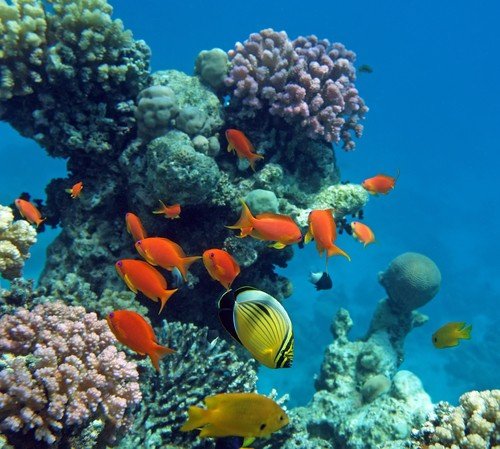
Marine biodiversity: Over 1,200 fish species inhabit Red Sea waters, with approximately 17% found nowhere else on Earth. Even a 30-minute snorkel over a Sharm reef will typically reveal parrotfish, angelfish, butterflyfish, clownfish in their anemones, pufferfish, moray eels, sea turtles, and large schools of colorful reef fish.
Year-round conditions: Water temperature ranges from 22°C in February to 28°C in September — comfortable for snorkeling year-round with appropriate exposure protection.
Accessibility: No certification required for snorkeling. No boat required for house reef snorkeling. Equipment rentals are universally available.
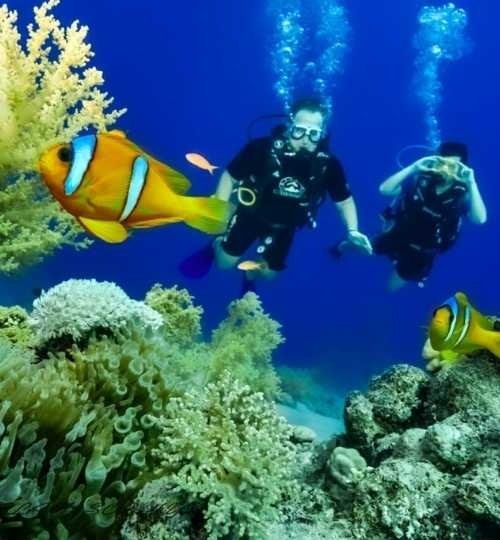
snorkeling in sharm el sheikh
The Best Snorkeling Spots Around Sharm El Sheikh
1. Ras Mohammed National Marine Park
Why it’s the best: The most extraordinary natural underwater environment in the entire Sharm El Sheikh area — a protected marine park where reef ecosystems have been preserved to an extraordinary degree since 1983. The combination of Shark Reef and Jolanda Reef creates exceptional snorkeling conditions.
What to see: The shallow reef areas above the famous dive walls host extraordinary coral gardens — brain corals, table corals, sea fans — and the most dense concentration of reef fish of any site around Sharm. Turtles are commonly sighted. Large schools of barracuda cruise the reef edges.
How to get there: Usually by organized boat trip from the Sharm area. Travel time and price depend on the marina, vessel and itinerary.
Experience level: All levels. The best snorkeling is in the shallower reef areas (1–5 meters depth).
Important: Ras Mohammed is a protected area. EEAA regulations prohibit collecting or damaging natural material, disturbing wildlife, feeding fish, fishing or spearfishing, and damaging coral reefs. Follow the guide and park instructions at all times.
2. Naama Bay House Reefs
Why it’s great: The most accessible snorkeling in Sharm — directly from the beach at Naama Bay’s hotels. Several hotels have buoyed off reef areas where snorkeling is protected and excellent.
What to see: Typical Naama Bay house reef snorkeling reveals parrotfish (look for their beak-like mouths chomping coral), triggerfish, butterlyfish, lionfish (beautiful but don’t touch — venomous spines), clownfish in anemones, and sea turtles (increasingly common as the reef health has improved).
How to get there: Walk from your Naama Bay hotel to the beach.
Best hotels for house reef access: Camel Dive Club, Reef Oasis Blue Bay, Tropicana Naama Bay
Experience level: All levels, including beginners and children.
3. The Tower (Abu Ghosoun)
Why it’s great: A spectacular reef structure rising from deep water to just below the surface — an extraordinary column of coral with the reef edge dropping dramatically away around it. The sheer concentration of marine life around this structure makes it one of Sharm’s most rewarding snorkeling sites.
What to see: Schools of fusiliers stream around the tower; large napoleon wrasse patrol the edges; octopus hide in the coral crevices; barracuda hang motionless in the current.
How to get there: By boat (20–30 minutes from Sharm marina). Most day trip boats include it.
Experience level: Intermediate — the water around the tower can have current, and the deep drop-off may be intimidating for beginners.
4. Shark’s Bay
Why it’s great: Despite the name, Shark’s Bay is actually one of Sharm’s calmest and most sheltered snorkeling locations — a curved bay with a house reef that starts very shallow, making it ideal for beginners and families with children.
What to see: An excellent variety of reef fish in calm, protected water. Sea turtles are a regular highlight. Seahorses have been spotted in the seagrass areas.
How to get there: By taxi to the Shark’s Bay area (15–20 minutes from Naama Bay), then beach access.
Experience level: All levels — particularly good for beginners and children.
5. Ras Nasrani
Why it’s great: A long reef stretch extending north of Naama Bay with exceptional coral coverage and very good fish life. More accessible than Ras Mohammed but less crowded than Naama Bay house reefs.
What to see: Excellent coral gardens, sea turtles (commonly sighted), moray eels, and a good variety of pelagic species including occasional whitetip reef sharks (harmless to snorkelers).
How to get there: By taxi (10–15 minutes from Naama Bay) or as part of a boat snorkeling trip.
Experience level: All levels.
6. Tiran Island
Why it’s great: Tiran Island’s four named reefs (Jackson, Woodhouse, Thomas, Gordon) are primarily known as world-class dive sites, but the shallower areas above these reefs provide extraordinary snorkeling — particularly for confident swimmers comfortable in light current.
What to see: The shallower areas above Jackson and Thomas reefs reveal extraordinary coral coverage, large fish life, and on good days, the sight of large pelagic fish cruising below in the clear water.
How to get there: Boat trip from Sharm marina (1 hour). Some day trips include Tiran Island.
Experience level: Intermediate to advanced. Current can be present and the open water nature of the site is not suitable for weak swimmers.
Snorkeling Tours and How to Book
Boat-trip prices vary by route, boat, group size, equipment, lunch, transfers and protected-area charges. Rather than relying on an old USD range, compare the live total for your date.
Before booking, confirm:
- the exact snorkeling sites planned
- whether mask, snorkel, fins and flotation aids are included
- whether hotel transfers, food and park charges are included
- group size and guide supervision
- the cancellation policy for wind or sea conditions
Hotel House Reef Snorkeling
The simplest option for casual snorkeling — walk from your hotel to their private beach and snorkel the house reef directly.
Cost: Varies by hotel or dive center; ask for the current equipment-rental price
Duration: As long as you want
Best hotels: Those with buoyed and maintained house reefs in Naama Bay and Sharks Bay
Essential Snorkeling Equipment Guide
What to Bring / Rent
Mask: The most important piece of equipment. A properly fitting mask that seals to your face without leaking is essential. Try several at the rental shop — it should seal when you press it gently to your face and breathe in through your nose.
Snorkel: A basic snorkel is sufficient. Dry-top snorkels (with a valve that prevents water entering if you dive under) are more comfortable for beginners.
Fins: Full-foot fins for warm water. Fins dramatically reduce swimming effort and allow you to cover more ground with less energy. Don’t go into Sharm’s strong-current sites without fins.
Wetsuit / Rash guard: A 3mm wetsuit or a UV-protective rash guard provides warmth in winter (when 22°C water is noticeably cool after 30 minutes), sun protection, and protection from jellyfish (rare but present seasonally).
Reef-safe sunscreen: CRITICAL — conventional sunscreens containing oxybenzone and octinoxate directly damage coral reefs. Use sun protection that minimizes environmental impact and follow any product restrictions posted by the protected area or your operator. Apply before entering the water.
For the latest guidance on reef-safe sunscreen: NOAA’s Coral Reef Conservation Program explains the science.
Safety Guidelines for Snorkeling in Sharm El Sheikh
Never touch the coral. Coral is alive — even a gentle touch kills the polyps it contacts and can destroy decades of coral growth. Maintain buoyancy awareness and don’t stand on the reef.
Don’t stand on the reef. The reef floor is coral — standing on it causes significant damage. If you need to rest, swim to a sandy area.
Watch the current. Sharm’s sites vary in current strength. Check conditions with your guide before entering. If you feel current pulling you away from the reef, signal the boat and conserve energy rather than fighting the current directly.
Stay with the group on boat trips. Don’t separate from your guide or group without notifying someone. Dive flags on the boat indicate your group’s location to other vessels.
Don’t feed the fish. Feeding disrupts natural behaviors and can damage reef ecosystems. It’s also prohibited in Ras Mohammed National Park.
Sunscreen and sun protection. The Red Sea sun is intense and reflected light from the water magnifies exposure. Apply SPF 50+ sunscreen before entering and reapply after exiting. A rash guard over your back eliminates the most common sunburn area for snorkelers.
What You’ll See: A Snorkeler’s Marine Life Guide
Parrotfish: Large, colorful fish with beak-like mouths that scrape algae from coral. Their distinctive chomping sounds are often audible underwater. Critical reef ecosystem workers.
Clownfish (anemonefish): Living in sea anemones, exactly as in Finding Nemo. Look for their distinctive orange-white-black pattern nestled in the anemone’s tentacles.
Lionfish: Extraordinarily beautiful — feathery fins, vivid red-white-black striping. NEVER TOUCH. The dorsal spines contain venom that causes intense pain and serious injury.
Sea turtles: Both green and hawksbill sea turtles are found in Sharm waters. Snorkeling with a sea turtle — watching it glide past you with its slow, graceful swimming — is one of the most magical marine experiences available.
Moray eels: Often visible with their heads protruding from coral crevices, mouths opening and closing (they breathe this way — not threatening). Don’t put your hands near any coral crevice.
Napoleon wrasse: One of the largest reef fish — massive, blue-green, with a distinctive bump above the eyes. Often surprisingly approachable.
Schools of colorful reef fish: Surgeonfish (blue, yellow-tailed), angelfish (vivid patterns), butterflyfish (disc-shaped, brightly patterned), fusiliers (long torpedo-shaped fish in large schools).
Sharks: In shallow snorkeling areas, whitetip reef sharks are occasionally encountered resting on the sand. They are harmless to snorkelers but exciting to see. Never approach or attempt to touch any shark.
External Resources
- Ras Mohammed National Park — Official information on the marine park
- NOAA — Reef-Safe Sunscreen — Why reef-safe sunscreen matters
- Red Sea Reef Monitoring — Current Red Sea reef health data
- TripAdvisor — Sharm El Sheikh Snorkeling — Recent visitor reviews of snorkeling operators
15 People Also Ask Questions About Snorkeling in Sharm El Sheikh
1. Is snorkeling good in Sharm El Sheikh?
Yes — Sharm El Sheikh is one of the world’s great snorkeling destinations. The Gulf of Aqaba’s extraordinary water clarity (20–30+ meters visibility), healthy coral reefs, incredible marine biodiversity, and accessible house reefs create a snorkeling experience that rivals any in the world.
2. What is the best snorkeling spot in Sharm El Sheikh?
For the absolute best marine environment: Ras Mohammed National Marine Park — a protected reserve with pristine reef health and exceptional biodiversity. For accessibility: Naama Bay house reefs — walkable from many hotels. For something more remote: Tiran Island reefs — extraordinary for confident swimmers.
3. Do I need to be able to swim to snorkel in Sharm?
Basic swimming ability is required. You don’t need to be a strong swimmer for house reef or calm bay snorkeling, but you need to be comfortable in water. Life vests / flotation noodles are available from most rental shops for weaker swimmers.
4. Is snorkeling safe in Sharm El Sheikh?
Snorkeling conditions vary by site, weather, current and swimmer ability. Use a reputable operator, listen to the guide, wear a flotation aid if you are not a strong swimmer, and do not enter when conditions exceed your experience. Marine animals are wild; keep distance and never touch, chase or feed them.
5. What can I see snorkeling in Sharm?
A typical Sharm snorkeling session reveals: clownfish in anemones, parrotfish, lionfish, angelfish, butterflyfish, moray eels, sea turtles (commonly sighted), large schools of colorful reef fish, and occasionally dolphins and whitetip reef sharks.
6. How much does snorkeling cost in Sharm El Sheikh?
Prices change by operator, site, trip length and what is included. Check the live quote for your date and confirm equipment, transfers, meals and protected-area charges before paying.
7. Is there good snorkeling from the beach in Sharm?
Yes — several areas have accessible beach snorkeling without needing a boat. Naama Bay house reefs (accessible from hotel beaches), Shark’s Bay, and Ras Nasrani all offer directly accessible snorkeling. The best house reef access requires staying at or visiting a hotel with a maintained reef area.
8. What time of year is best for snorkeling in Sharm?
Snorkeling is possible year-round. Summer (June–September) offers the warmest water (26–28°C) and excellent visibility. Winter (December–February) has the coolest water (22°C — wear a 3mm wetsuit or rash guard) but often very good visibility. Spring and autumn offer the most comfortable all-round conditions.
9. Can children snorkel in Sharm El Sheikh?
Yes — calm house reefs and protected bay areas are excellent for children. Most rental shops provide equipment for children (smaller masks, shorter snorkels). Children aged 5+ who are comfortable in water typically love snorkeling in Sharm’s clear, fish-rich waters. Always keep children within arm’s reach and use flotation aids for weaker swimmers.
10. What sun protection should I use around coral reefs?
Use a rash guard, shade and a sunscreen suitable for marine use, and follow any current protected-area or operator rules. Avoid getting sunscreen on coral and never stand on or touch the reef.
11. Are there dolphins to snorkel with near Sharm?
Yes — spinner dolphins are regularly encountered in the Gulf of Aqaba. Some boat trips specifically target dolphin encounter areas. Responsible operators allow dolphins to approach naturally rather than chasing or harassing them. Dolphin House near Hurghada (see our Red Sea Diving Guide) is the most reliable dolphin snorkeling site in the Red Sea.
12. What equipment do I need for snorkeling in Sharm?
Essential: mask, snorkel, fins, reef-safe sunscreen, rash guard or 3mm wetsuit. Optional: underwater camera (GoPro is popular), life vest for weaker swimmers. All equipment is available for rental in Sharm — you don’t need to bring your own unless you prefer using familiar, well-fitting equipment.
13. Can I see sharks snorkeling in Sharm?
Sharks and other large marine animals can occur in the Red Sea. Treat every encounter as a wildlife encounter: keep distance, remain calm, follow the guide’s instructions and never attempt to touch or follow the animal.
14. What is Ras Mohammed and why is it good for snorkeling?
Ras Mohammed National Marine Park is Egypt’s first marine protected area, established in 1983. Its protected status has preserved reef health to an extraordinary degree — the coral coverage, fish density, and biodiversity here exceed most other Sharm sites. The shallow reef areas above the famous dive walls provide excellent snorkeling, though the sites require a boat trip to access.
15. How do I book a snorkeling trip in Sharm El Sheikh?
Book through your hotel concierge (convenient, reliable), through Egypt Travel Ways (we organize structured snorkeling experiences), or at the marina directly. Always confirm: what sites are included, whether equipment is provided, the guide’s experience level, and how many people will be on the boat.
Book Your Sharm El Sheikh Snorkeling Experience with Egypt Travel Ways
Egypt Travel Ways organizes structured snorkeling day trips in Sharm El Sheikh — including Ras Mohammed National Park trips, Tiran Island excursions, and combined beach and snorkeling days.
Contact Egypt Travel Ways today to book your Sharm El Sheikh Snorkeling Day Trip.